THE METHOD
Created by MisterG, the gTonnicks® Method is a disciplined approach to strength, balance, posture, muscular engagement, and body control built around one central principle: movement becomes more effective when it is performed with intention.
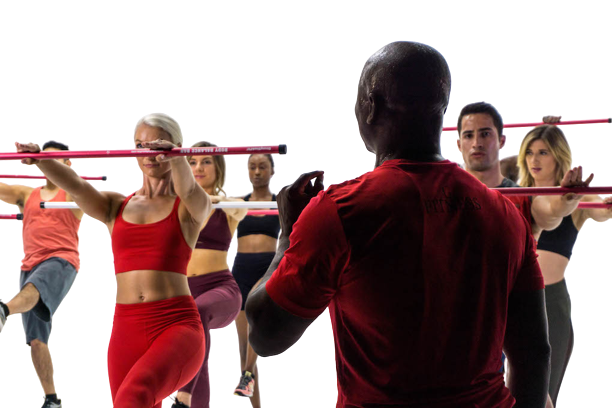
Movement is not enough. How you move matters.
gTonnicks® is a mind-body movement method created by MisterG to develop strength, tone, balance, posture, stability, and body control through deliberate muscular engagement.
Rather than simply moving through an exercise, gTonnicks asks you to become an active participant in every repetition — aware of the muscles working, the position of the body, the quality of the contraction, and the purpose of the movement.
The method combines principles drawn from strength training, balance work, gymnastics, ballet, and La Savate with a disciplined approach to muscular contraction and movement control.
Resistance may come from gravity, body weight, dumbbells, or the gBalance Bar. But the defining element is not the equipment. It is the intention you bring to the movement.
From performing an exercise
to owning the movement.
Intentional
You know what the movement is intended to accomplish and direct your attention toward the muscles and actions involved.
Purposeful
Every position, contraction, transition, and repetition has a reason. Movement is never performed simply for movement's sake.
Controlled
Strength is expressed through posture, stability, alignment, balance, muscular engagement, and command of the body.
The body should not merely complete the movement. It should understand it, control it, and own it.
Intentional & Purposeful Contraction of the Muscles.
gTonnicks begins before the body moves. It begins with the decision to engage.
IPCM — Intentional & Purposeful Contraction of the Muscles — is the foundational principle of the gTonnicks® Method. Rather than allowing the body to simply pass through a movement, IPCM asks you to consciously identify, activate, and maintain muscular engagement with purpose.
The objective is not unnecessary tension. It is awareness and command: knowing what should be working, feeling the contraction, maintaining the intention, and allowing the movement to emerge from that controlled muscular engagement.
Do not simply move the muscle. Engage it first. Then move with the contraction.
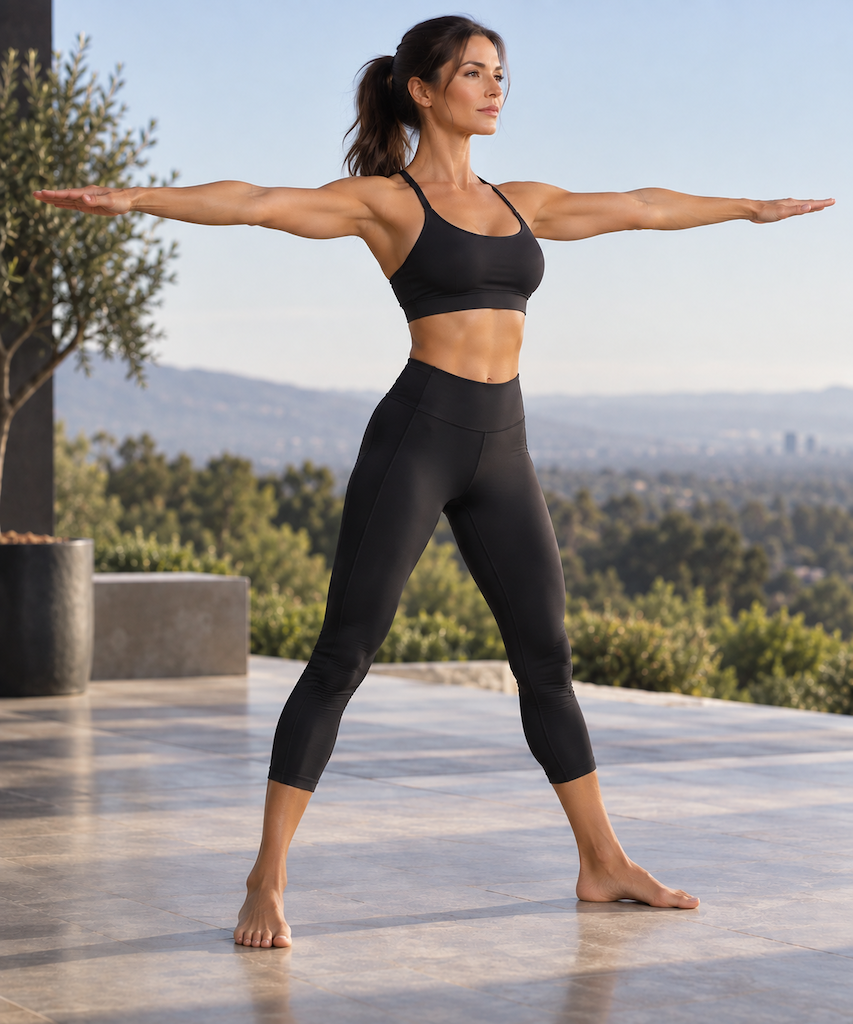
Feel it. Own it. Move with it.
IPCM develops through a simple progression that teaches the body to move from conscious engagement rather than momentum.
Feel the Contraction
Identify the muscle and consciously create the contraction. Learn the difference between merely moving and deliberately engaging.
Hold the Intention
Maintain awareness of the targeted muscular engagement instead of allowing attention — or tension — to disappear.
Move with the Contraction
Allow the movement to occur while preserving the muscular intention, posture, alignment, and control established before it began.
Test Your Engagement
Add balance, leverage, gravity, resistance, or the gBalance Bar and determine whether the engagement remains under greater demand.
Attention can change how a muscle works.
Research on the mind-muscle connection has shown that directing attention toward a working muscle can alter muscular activation during certain resistance exercises.
gTonnicks takes that relationship between attention and muscular engagement and makes it a deliberate part of the practice: intention is not added after the movement — it helps create it.
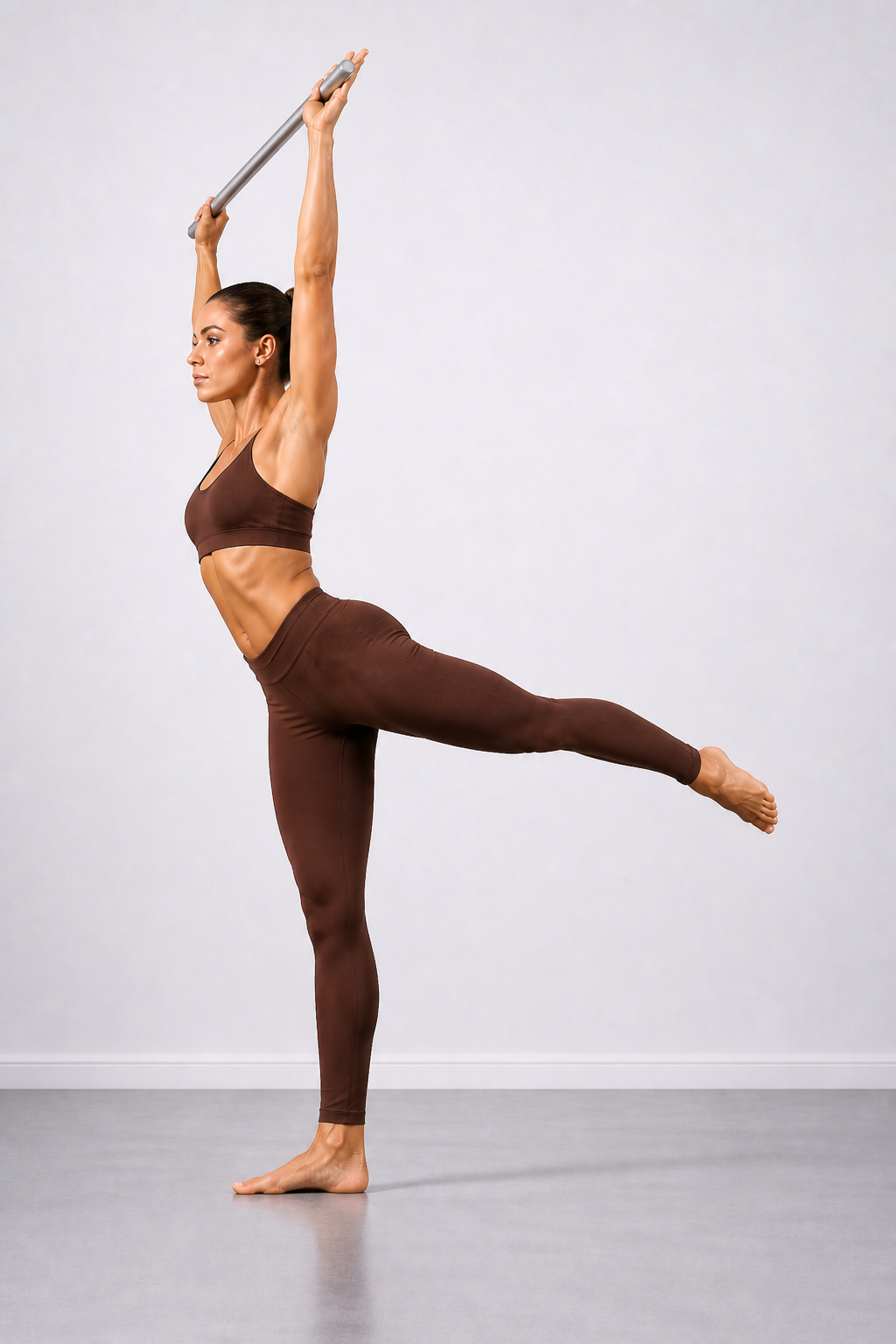
The muscle does not simply
move.
It responds to intention.
One of the central ideas behind gTonnicks® is that how you engage a muscle matters — not simply whether a movement is completed.
Electromyography, or EMG, allows researchers to measure the electrical activity associated with muscular contraction. Research examining attentional focus has shown that consciously directing attention toward a working muscle can increase its activation during certain exercises and intensities.
This is commonly described as the mind–muscle connection. Rather than simply moving through space or completing repetitions, the individual becomes an active participant in muscular recruitment.
IPCM takes this concept beyond simply “thinking about” a muscle. The practice is to intentionally identify, contract, maintain, and control muscular engagement throughout movement.
Training the body can also support the brain.
Movement is not only a muscular event. It is also a neurological one.
Every controlled movement requires the nervous system to organize information, recruit muscles, coordinate timing, maintain balance, adjust posture, and respond to feedback.
Exercise also influences biological processes associated with brain health. One of the most studied is Brain-Derived Neurotrophic Factor — BDNF.
Neurotrophic Factor
BDNF is a protein involved in the growth, maintenance, and adaptability of neurons and plays an important role in processes related to neuroplasticity, learning, and memory.
Exercise, BDNF and neuroplasticity are meaningfully connected.
Exercise Can Elevate BDNF
Acute exercise has been associated with temporary increases in circulating BDNF, with especially consistent findings in aerobic exercise research.
BDNF Supports Plasticity
BDNF participates in biological processes involved in neuronal survival, synaptic adaptation, learning, memory, and the brain's capacity to change.
Movement Is Neurological
Balance, coordination, motor learning, muscular recruitment, and movement control all require continuous communication between the nervous system and the body.
Movement with attention.
gTonnicks® does not treat movement as an automatic task. Through IPCM, posture, balance, alignment, muscular engagement, and deliberate control, the practitioner is asked to remain mentally present while the body works.
That does not mean IPCM has been proven to produce a unique BDNF response. Rather, it places gTonnicks within a broader principle supported by movement science: challenging the body and engaging the nervous system are both important parts of maintaining physical and neurological capability.
BDNF responses vary with exercise type, intensity, duration, training status, and individual biology. The strongest evidence for an acute rise in circulating BDNF has historically been associated with aerobic exercise, while findings from resistance exercise are less consistent.
The physical language of gTonnicks®.
Every gTonnicks movement is guided by six foundational principles. Together, they organize posture, muscular engagement, balance, movement quality, control, and breath.
They are not six separate techniques. They are six elements of one integrated way of moving.
Core Seal
Establish deliberate engagement through the center of the body before movement begins. The core supports posture, stability, force transfer, and control.
The Line
Create intentional alignment through the body so that posture remains lengthened, balanced, and efficient throughout movement.
Total Activation
The body works as an integrated system. Target muscles engage without allowing the rest of the body to become passive or disconnected.
The Blade
Hands, arms, and extremities remain deliberate and precise, reinforcing intention through the entire movement rather than allowing energy to disappear at the edges.
Sovereign Movement
Move with command rather than momentum. The practitioner controls the speed, range, transition, balance, and intention of each action.
Breath
Breath supports rhythm, muscular control, concentration, and composure. It helps organize effort without allowing unnecessary tension to take over.
Form becomes presence.
Core Seal creates the foundation. The Line organizes the body. Total Activation creates connection. The Blade brings precision. Sovereign Movement creates command. Breath creates rhythm.
When all six are present, movement becomes more than repetition. It becomes deliberate, controlled, expressive, and complete.
A simple tool. A higher standard of control.
The gBalance Bar was created to challenge what the body can maintain while it moves.
In gTonnicks®, the bar is not used simply to support balance. It becomes a point of reference for posture, alignment, grip, muscular engagement, symmetry, and control.
The moment the bar is introduced, small inconsistencies become easier to feel — and harder to hide. Shoulders reveal tension. Hands reveal intention. Posture reveals alignment. Balance reveals whether the body is truly connected.
The bar does not do the work for you. It tells you whether you are doing the work.
Feedback through position and control.
Posture
The bar gives the body an external reference for upright alignment, length, and position.
Balance
Changes in stance and leverage challenge the body's ability to remain stable without becoming rigid.
Grip & Intention
The knife grip reinforces precision through the hands and helps carry intention through the full kinetic chain.
Symmetry
The bar can make asymmetries in shoulder position, reach, posture, and movement easier to recognize.
Precision begins at the hands.
The gBalance Bar is held between the root of the thumb and the palm, with the fingers extended firmly together rather than wrapped around the bar.
This deliberate grip reinforces one of the central ideas of gTonnicks: engagement should continue through the entire body, all the way to the extremities.
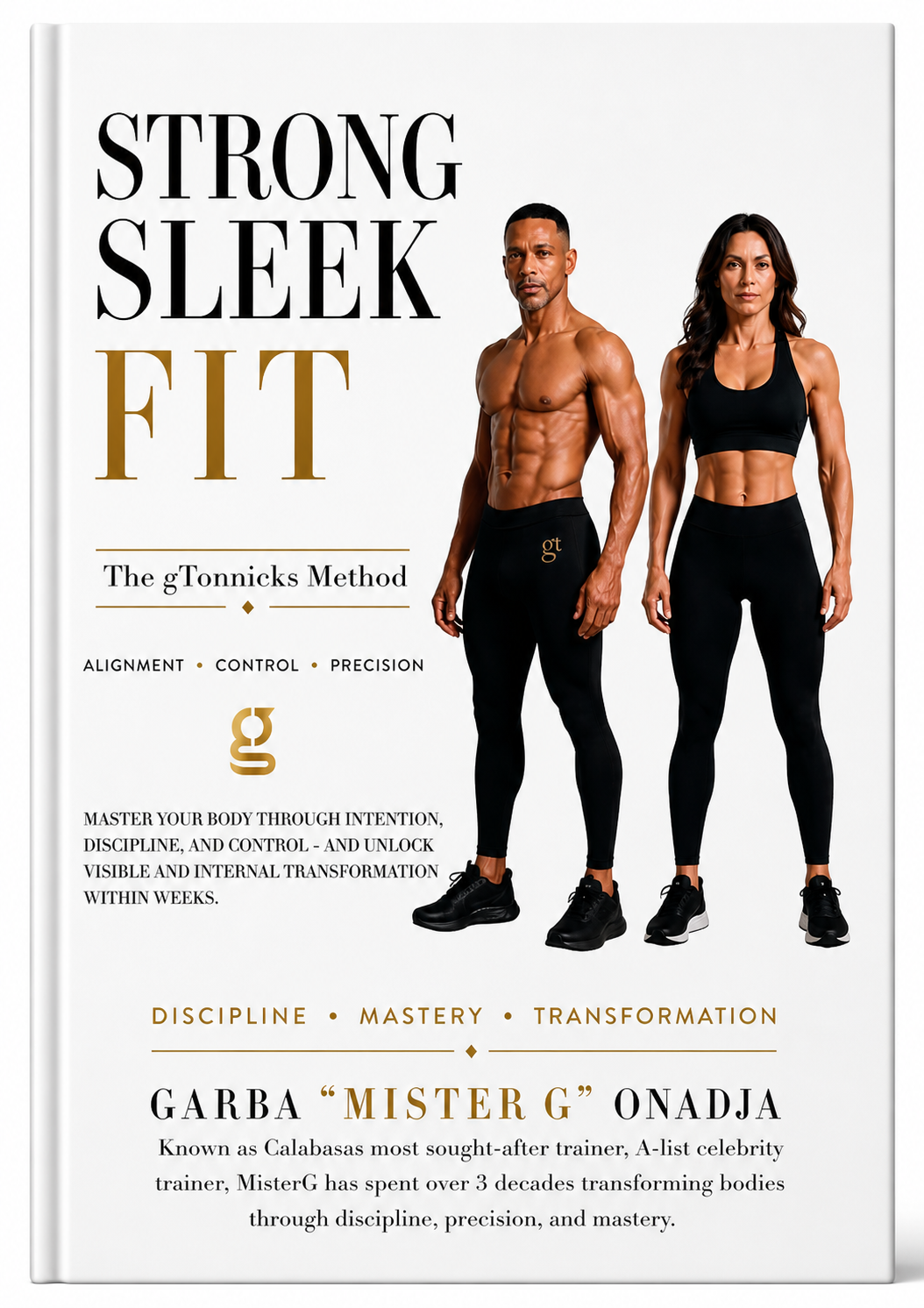
The gTonnicks® Method in written form.
A system for training with greater precision, discipline, and control.
Most people don’t lack effort. They lack direction.
They train. They sweat. They repeat. But they don’t transform, because they don’t truly understand what they are doing. They confuse activity with progress. They mistake exhaustion for effectiveness. And in the process, they waste years.
This book is not motivation. Motivation fades. What you hold is a system — built on Precision, Discipline, and Control.
The goal is precise: Lean out. Tone up. Strengthen. Not through excess. Not through confusion. Through intentional training and structured living.
This is the standard.
More than exercises. A way of training.
IPCM
Learn the foundational practice of Intentional & Purposeful Contraction of the Muscles and how attention changes the quality of movement.
The Six Points of Form
Apply Core Seal, The Line, Total Activation, The Blade, Sovereign Movement, and Breath as one integrated system.
Structured Training
Move beyond random workouts with a disciplined approach to strength, tone, balance, control, and body composition.
The Standard
Build a stronger relationship with effort, discipline, precision, consistency, and the way you choose to train.
Read the system. Practice the standard.
Strong Sleek Fit — The gTonnicks Method is available through major booksellers, with a limited number of signed copies available directly from MisterG for local pickup in Calabasas.